
Call us: (+91)9227209896

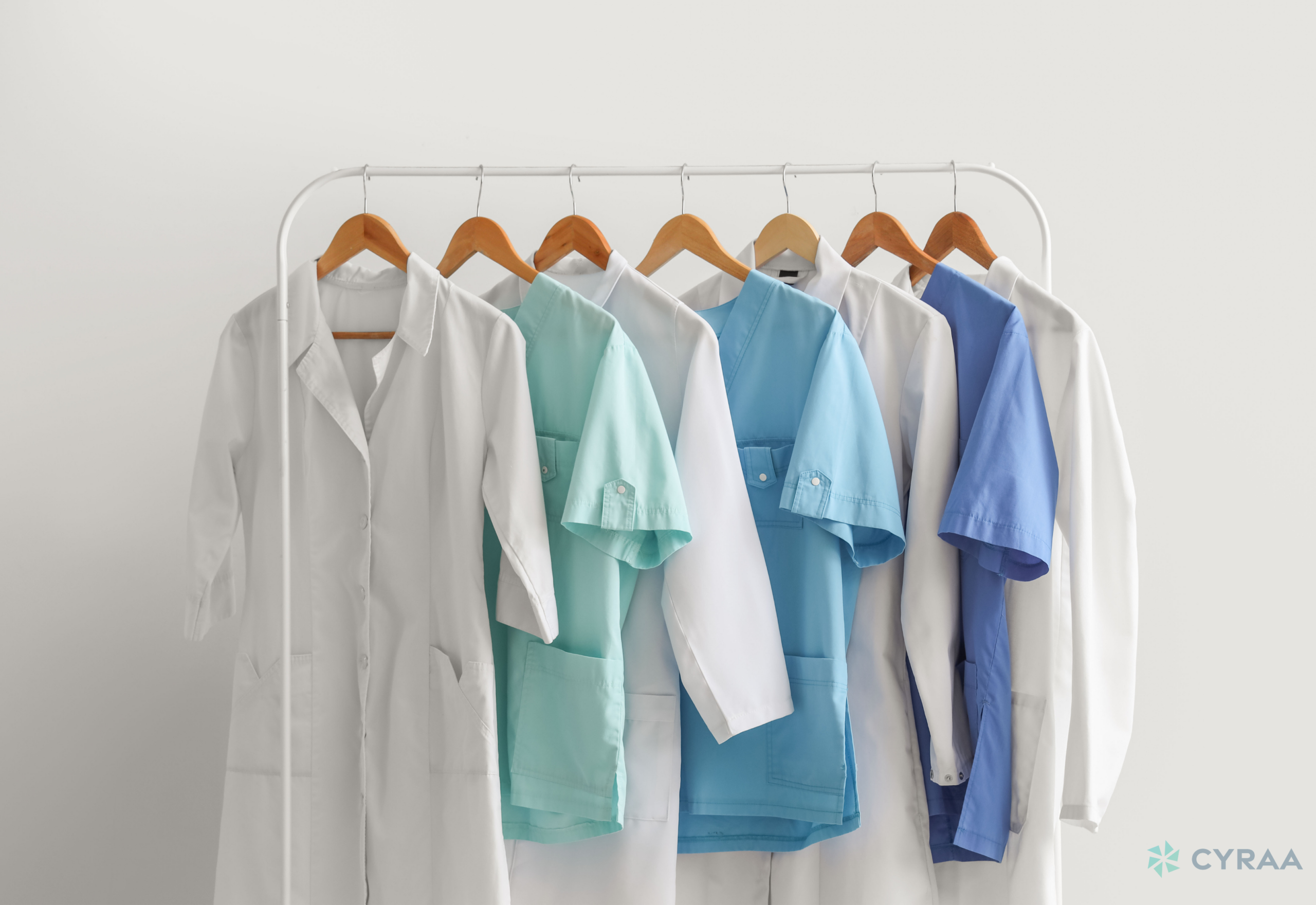
In healthcare facilities, infection prevention is one of the most critical aspects of patient safety. Hospitals implement strict protocols for sterilizing surgical instruments and disinfecting surfaces, but one area that is often underestimated is hospital laundry management. Proper handling, washing, and processing of hospital textiles play a vital role in preventing the spread of infections and maintaining a safe clinical environment.
Every day, hospitals generate a large volume of textiles such as bed linens, patient gowns, surgical drapes, staff uniforms, blankets, and towels. These materials frequently come into contact with patients, bodily fluids, microorganisms, and contaminants. If these textiles are not processed properly, they can become a source of cross-contamination and contribute to healthcare-associated infections (HAIs). Therefore, maintaining a robust hospital laundry system is essential for effective infection control.
Why Hospital Laundry Matters in Infection Control
Hospital textiles can easily harbor bacteria, viruses, fungi, and other pathogens. Without proper cleaning and disinfection, these microorganisms may survive on fabric surfaces and spread from one patient or healthcare worker to another. An efficient laundry system helps eliminate or significantly reduce the microbial load on linens, ensuring that clean textiles are safe for reuse.
Another key aspect is preventing cross-contamination within the hospital. Proper segregation of contaminated and clean linens is crucial. Soiled linens must be collected in designated bags and transported through controlled routes to prevent the spread of pathogens across hospital areas. Dedicated workflows that separate “dirty” and “clean” zones in laundry facilities are widely recognized as best practice in healthcare environments.
Hospital laundry management also plays an important role in protecting healthcare workers. Staff involved in handling used linens are at risk of exposure to infectious agents. By implementing proper collection procedures, sealed transport systems, and the use of personal protective equipment (PPE), hospitals can significantly reduce these occupational hazards.
Key Stages in the Hospital Laundry Process
An effective hospital laundry system involves several carefully managed stages to ensure hygiene and safety.
Collection and Segregation:
Used linens should be collected in clearly labeled bags or containers and segregated based on contamination levels. Infectious or highly contaminated linens require special handling procedures.
Safe Transportation:
Transporting soiled linens in covered carts or containers helps prevent the spread of microorganisms in hospital corridors and patient areas.
Washing and Disinfection:
Hospital textiles are typically washed at controlled temperatures with medical-grade detergents and disinfectants. These processes help remove organic matter and destroy microorganisms effectively.
Drying and Finishing:
Proper drying, ironing, or finishing ensures that linens remain hygienic and ready for reuse while maintaining fabric integrity.
Storage and Distribution:
Clean linens must be stored in hygienic conditions and distributed in a way that prevents recontamination.
The Role of Technology in Modern Hospital Laundry
Advancements in healthcare technology have significantly improved the efficiency and reliability of hospital laundry systems. Automated washing equipment, controlled processing cycles, and validated disinfection processes help ensure consistent hygiene standards.
Many hospitals also integrate sterilization solutions for specific textiles used in critical areas such as operating rooms, intensive care units, and isolation wards. Properly designed systems and equipment help healthcare facilities manage high volumes of textiles while maintaining strict infection control protocols.
Supporting Infection Control Through Reliable Systems
Hospital laundry is far more than a routine housekeeping function—it is an essential part of infection prevention strategy. A well-designed laundry workflow, supported by appropriate equipment and validated processes, helps maintain hygiene standards across healthcare facilities.
By investing in efficient laundry systems and maintaining strict protocols for textile handling and disinfection, hospitals can significantly reduce the risk of infections. Clean and hygienic linens contribute to patient comfort, staff safety, and overall healthcare quality.
In the broader framework of hospital hygiene and infection control, a well-managed laundry system is a crucial pillar in protecting both patients and healthcare professionals.